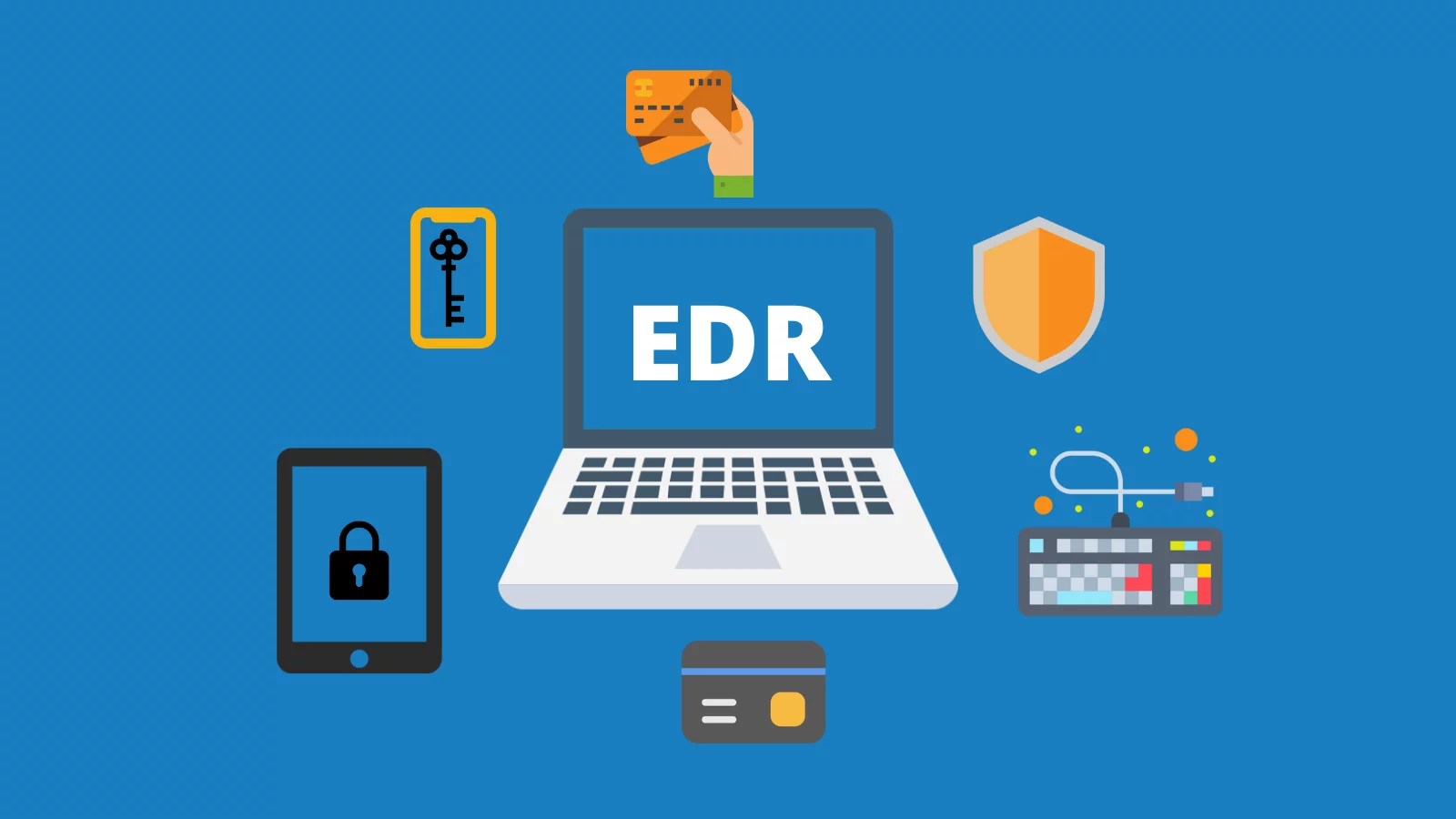
Endpoint Protection with EDR: Threat Detection & Response
EDR is a modern cybersecurity solution that protects endpoints (such as laptops, computers, and servers) from various dangerous threats. This technology is a vital part of any business security strategy.
Many people may wonder what Endpoint Detection and Response (EDR) actually is. In this article, we’ll explain the definition of EDR, how it works, and its benefits for data security in the digital era.
Basic Understanding of EDR
In today’s digital era, EDR is one of the increasingly essential cybersecurity technologies. This system is designed to protect endpoints such as laptops, computers, servers, and other work devices from harmful threats. For those unfamiliar, EDR is a security solution focused on detecting threats at endpoints and providing a rapid response when an attack occurs.
What Is EDR in Cybersecurity?
Many people ask: what is EDR, and how does it differ from traditional antivirus software? While antivirus tools mainly detect and remove viruses based on signatures, EDR (Endpoint Detection and Response) can analyze suspicious activity in real-time—even when the threat is previously unknown. In other words, EDR not only prevents attacks but also conducts investigations and provides automated responses.
How Endpoint Detection and Response Works
A simple overview of how EDR works includes:
- Monitoring – keeping track of all activities on the endpoint.
- Threat Analysis – identifying suspicious attack patterns.
- Rapid Response – taking automated actions such as quarantining files, cutting network connections, or blocking malicious processes.
- Incident Reporting – storing attack details for further investigation.
Benefits of Using EDR
There are numerous benefits for companies and individuals implementing EDR:
- Protection against modern malware and ransomware.
- Faster and more accurate threat detection.
- Simplified incident investigations without relying solely on manual forensic teams.
- Stronger IT infrastructure security against complex cyberattacks.
Examples of EDR Implementation in Businesses
Today, EDR has become an essential part of security for organizations both large and small. Examples include:
- Financial companies – to prevent customer data theft.
- Technology companies – to monitor employee devices and servers.
- SMEs (Small and Medium Enterprises) – as a cost-effective way to prevent business data leaks.
For a more comprehensive security system, EDR can also be integrated with firewalls and SIEM (Security Information and Event Management) for end-to-end protection.
Conclusion
In short, Endpoint Detection and Response (EDR) functions to protect endpoint devices from modern cyber threats. This technology goes beyond traditional antivirus because it not only detects, but also analyzes, responds, and reports on attacks automatically. With cybercrime on the rise, adopting EDR has become a necessity for safeguarding data and digital systems.
Implement EDR now to keep your data and endpoints safe from cyber threats.
Reference
Deshpande, D. S., Tathe, A. A., Lahe, A., Rathi, B., & Parkhade, G. (2024). Endpoint Detection and Response System: Emerging Cyber Security Technology. 202–213. https://doi.org/10.1007/978-981-97-5504-2_24
Kaur, R., Singh, S., & Sharma, P. (2024). Evolution of Endpoint Detection and Response (EDR) in Cyber Security: A Comprehensive Review. E3S Web of Conferences, 556, 01006. https://doi.org/10.1051/e3sconf/202455601006


